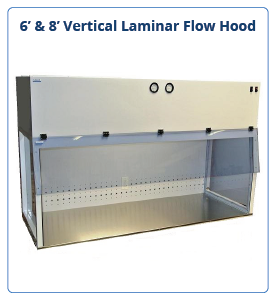
Maintaining consistent product quality is one of the biggest challenges in laboratories, electronics manufacturing, pharmaceutical research, and other controlled environments. Even small amounts of airborne particles, contaminants, or unstable working conditions can affect precision, reliability, and performance. A clean working environment helps you protect sensitive materials and achieve better results. By using advanced airflow technology, you can reduce contamination risks and create a more reliable workspace for critical operations.
Why Is Clean Air Important for Product Quality?
When you work with sensitive components, biological samples, chemicals, or precision assemblies, environmental control directly impacts your final product. Dust particles, microorganisms, and airborne contaminants can cause defects, failed experiments, or reduced product lifespan.
A controlled airflow system provides a continuous supply of filtered air over your workspace. This process helps maintain cleanliness by removing unwanted particles and creating a stable environment where you can perform tasks with greater accuracy.
A well-designed clean bench system allows you to improve consistency, minimize errors, and maintain higher production standards across different applications.
How Does Clean Bench Laminar Flow Technology Work?
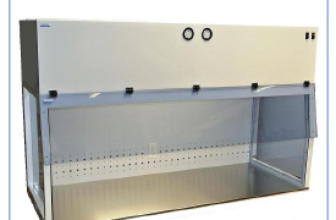
A clean bench laminar flow system uses High-Efficiency Particulate Air (HEPA) filtration technology to remove airborne particles before delivering clean air to the working area. The filtered air moves in a smooth, uniform direction, reducing turbulence and preventing contaminants from entering the workspace.
Unlike traditional work areas where air movement is unpredictable, laminar airflow creates a controlled environment where you can handle sensitive products safely. This consistent airflow helps protect materials from contamination during assembly, testing, preparation, and research procedures.
If you need a reliable solution for maintaining contamination-free operations, investing in a Clean Bench Laminar Flow System for controlled laboratory and manufacturing environments can significantly improve product protection and workflow efficiency.
How Does Clean Bench Laminar Flow Improve Product Quality?
Reduces Contamination Risks
Contamination is one of the leading causes of product failure in controlled industries. A clean bench laminar flow system continuously filters incoming air and reduces exposure to harmful particles.
When you use a controlled airflow workspace, you can protect delicate materials from dust, microbes, and environmental pollutants. This is especially valuable when working with products that require strict cleanliness standards.
Enhances Manufacturing Accuracy
Precision-based industries require environments where even minor contamination can affect performance. Clean airflow helps you maintain accurate assembly processes and prevents unwanted particles from interfering with sensitive components.
Whether you are assembling electronics, preparing samples, or conducting research, a clean bench system supports better accuracy and repeatable results.
Protects Sensitive Materials
Many products and samples are highly sensitive to environmental conditions. Exposure to airborne contaminants can change chemical properties, damage components, or compromise research outcomes.
With a stable airflow environment, you can protect your materials throughout critical processes. This improves product reliability and helps maintain expected performance levels.
Improves Process Consistency
Product quality depends on repeatable processes. When your workspace conditions change frequently, results may become inconsistent.
A laminar flow clean bench provides a controlled environment that supports standardized procedures. You can achieve more predictable outcomes by reducing environmental variations during operations.
Supports Compliance Requirements
Many industries follow strict cleanliness and quality guidelines. Maintaining a controlled workspace helps you meet operational requirements and improve quality management practices.
A properly designed clean bench system supports your efforts to create a safer, cleaner, and more organized production environment.
Applications of Clean Bench Laminar Flow Systems
Clean bench laminar flow technology is widely used in industries where product protection and precision are essential. Common applications include:
- Electronics component assembly
- Pharmaceutical preparation
- Medical device manufacturing
- Biotechnology research
- Laboratory testing
- Optical component production
- Food and material research
Each application benefits from reduced contamination, improved accuracy, and better control over environmental conditions.
What Features Should You Consider Before Choosing a Clean Bench System?
Selecting the right clean bench depends on your specific workflow and quality requirements. Consider factors such as:
- Airflow direction and design
- HEPA filtration efficiency
- Workspace dimensions
- Material construction
- Noise levels
- Maintenance requirements
- Application-specific cleanliness needs
Choosing the correct system ensures that your workspace receives effective protection while supporting long-term operational efficiency.
Why Choose CleaTech LLC for Cleanroom Solutions?
Reliable equipment plays an important role in maintaining product quality. You need a supplier that understands contamination control, laboratory requirements, and cleanroom technology.
CleaTech LLC provides advanced cleanroom and laboratory solutions designed to support controlled environments. Their equipment helps businesses improve cleanliness, protect sensitive products, and maintain efficient workflows across multiple industries.
Whether you are upgrading an existing workspace or developing a new controlled environment, selecting the right airflow technology can help you achieve better quality results.
How Can You Improve Your Clean Bench Performance?
To maximize the benefits of your clean bench laminar flow system, you should:
- Perform regular filter inspections
- Keep the workspace organized
- Avoid unnecessary movements near the airflow area
- Follow proper cleaning procedures
- Schedule routine maintenance checks
Proper operation and maintenance help ensure consistent airflow performance and extend equipment reliability.
Conclusion
Clean bench laminar flow technology plays an important role in improving product quality by creating a controlled, contamination-reduced workspace. By maintaining clean airflow, protecting sensitive materials, and supporting consistent processes, you can achieve better results and improve operational efficiency.
If you want expert guidance on selecting the right clean bench solution for your application, Contact us today to discuss your requirements and find the right cleanroom equipment for your needs.
Frequently Asked Questions
What is a clean bench laminar flow system?
A clean bench laminar flow system provides filtered, controlled airflow to create a cleaner workspace. It protects products and materials from airborne contaminants during sensitive procedures.
How does laminar airflow improve product quality?
Laminar airflow reduces contamination, improves process consistency, and protects sensitive materials, helping you achieve higher-quality and more reliable products.
Where are clean bench laminar flow systems used?
They are commonly used in laboratories, electronics manufacturing, pharmaceutical applications, biotechnology research, and precision assembly environments.
How often should a clean bench system be maintained?
Maintenance frequency depends on usage and operating conditions. Regular inspections, cleaning, and filter checks help maintain optimal performance.
Can clean bench laminar flow systems reduce production errors?
Yes. By minimizing contamination and maintaining controlled conditions, clean bench systems help reduce defects and improve overall production accuracy.