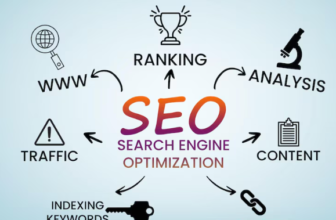
Search engine optimization has become more focused on measurable business outcomes. Marketers are no longer interested only in rankings, impressions, or traffic increases; they want to understand whether their investment is contributing to qualified leads, sales, and sustainable growth. This shift has encouraged businesses to explore strategies that connect SEO efforts directly with measurable results.
What Is Performance-Based SEO?
Performance-Based SEO is an approach where SEO activities and compensation are connected to predefined performance goals. Instead of focusing entirely on the amount of work completed, the strategy emphasizes outcomes such as improved organic visibility, qualified traffic, lead generation, conversions, or other agreed business objectives.
For marketers, this model can create greater accountability. It encourages both sides to establish clear goals before work begins and makes it easier to evaluate whether an SEO campaign is moving in the right direction.
However, successful performance-focused SEO requires realistic expectations. Search rankings can change because of algorithm updates, competition, seasonal demand, website changes, and many other factors. Therefore, marketers should define measurable objectives that reflect meaningful business value rather than relying on a single ranking position.
Why Marketers Are Considering This Approach
Traditional SEO campaigns can sometimes be difficult to evaluate because considerable work may be completed before meaningful results become visible. A performance-oriented model changes the conversation by putting greater emphasis on measurable outcomes.
One important advantage is accountability. When goals are clearly established, marketers can determine what success looks like and monitor progress more effectively. This can also make communication between marketing teams and SEO professionals more productive.
Another advantage is budget awareness. Businesses can better understand what they are paying for and how the investment relates to specific objectives. This does not mean results are guaranteed, but it does encourage a more structured approach to planning and reporting.
How to Build a Performance-Focused SEO Strategy
The first step is to establish a baseline. Before making changes, marketers should review existing organic traffic, rankings, conversions, qualified leads, and other relevant indicators. Without a baseline, it becomes difficult to determine whether improvements are actually meaningful.
Next, define the outcomes that matter most. A website may receive thousands of visitors without generating valuable enquiries. For this reason, marketers should consider metrics such as qualified leads, conversion rates, revenue, or customer acquisition efficiency alongside traditional SEO indicators.
Businesses exploring performance-focused SEO strategies tied to measurable search marketing outcomes should also agree on how results will be measured. The tracking system, reporting period, target pages, keyword groups, and conversion definitions should be established before the campaign begins.
Choose the Right SEO Metrics
Not every SEO metric has equal business value. Rankings and impressions can provide useful insights, but they should generally be viewed as indicators rather than the final measure of success.
Useful metrics may include:
- Organic traffic from relevant search queries
- Non-branded search visibility
- Qualified leads generated through organic search
- Organic conversion rate
- Revenue attributed to organic traffic
- Growth of important landing pages
- Cost per qualified acquisition
The right combination depends on the company’s goals. A lead-generation website may prioritize qualified enquiries, while an online store may focus more heavily on organic revenue and completed purchases.
Focus on Quality, Not Just Numbers
A major mistake in results-driven SEO is chasing numbers without considering their quality. Increasing traffic from irrelevant searches may look impressive in a report but provide little commercial value.
Effective SEO should focus on attracting people who are genuinely interested in the products, services, or information being offered. This means understanding search intent, creating useful content, improving website experience, strengthening internal links, and addressing technical issues that may prevent important pages from performing well.
For marketers looking to improve their overall SEO and digital marketing approach for stronger online visibility and sustainable growth, the focus should remain on creating value for both users and the business.
Set Realistic Expectations
SEO is rarely an instant marketing channel. Even a well-planned campaign can require time before meaningful improvements become visible. Marketers should therefore establish milestones instead of expecting immediate transformation.
It is also important to recognize factors outside the SEO team’s direct control. Website development delays, changes in products or pricing, content approval processes, market conditions, and search engine updates can all affect performance.
A transparent reporting process can help separate SEO progress from external influences. Regular reviews should explain not only what changed but also why it changed and what should happen next.
Common Mistakes to Avoid
Performance-Based SEO can become ineffective when goals are vague or overly focused on rankings. Another common mistake is selecting targets that are easy to achieve but have little commercial value.
Marketers should also avoid evaluating success from a single metric. A ranking improvement means little if it does not produce relevant visitors or conversions. Similarly, traffic growth should be examined alongside engagement and business outcomes.
Clear contracts, agreed measurement methods, realistic timelines, and transparent reporting can reduce confusion and create stronger working relationships.
The Future of Results-Driven SEO
The future of SEO will increasingly revolve around measurable business impact. Marketers have access to more data than ever, but the challenge is identifying the information that actually supports better decisions.
Performance-Based SEO provides a framework for making SEO more accountable and outcome-oriented. When goals are connected to meaningful business metrics, marketers can move beyond vanity numbers and gain a clearer understanding of how organic search contributes to growth.
The strongest strategy is not simply about achieving higher rankings. It is about attracting the right audience, improving visibility for valuable searches, converting visitors into customers, and continually refining the approach based on reliable data.
FAQs
What does Performance-Based SEO mean?
It is an SEO approach that connects campaign objectives or compensation to predefined and measurable performance outcomes, such as qualified traffic, leads, conversions, or revenue.
Is Performance-Based SEO suitable for every business?
Not necessarily. It works best when a business has clear goals, reliable tracking, sufficient data, and the ability to measure meaningful outcomes consistently.
Should rankings be the main SEO performance metric?
Rankings are useful for understanding search visibility, but they should not be the only measure. Qualified traffic, conversions, leads, and revenue can provide a stronger picture of business impact.
How can marketers measure SEO success?
Marketers can combine visibility metrics with business-focused indicators such as organic conversions, qualified leads, revenue, conversion rates, and acquisition efficiency.
What makes a performance-focused SEO strategy successful?
Clear objectives, accurate tracking, realistic expectations, quality content, technical optimization, continuous measurement, and a strong focus on business outcomes are essential for long-term success.